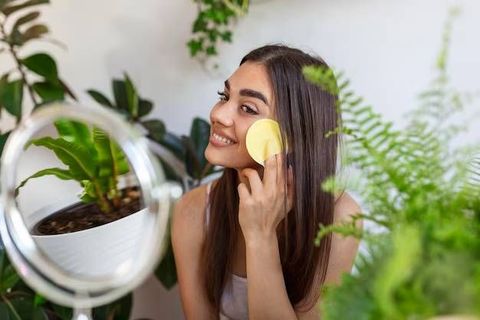
Ayurvedic Skin Care Products and Natural Beauty Guide
Healthy skin care begins with simple daily habits. Ayurveda offers traditional approaches to personal care using plant-based ingredients, gentle routines, and attention to individual skin needs. Ayurvedic skin care products often include herbs, botanical oils, and natural extracts that have been used in traditional beauty practices.
An Ayurvedic skincare routine may involve cleansing, moisturizing, facial massage, and occasional herbal treatments. However, natural ingredients can affect people differently, so choosing suitable products and understanding their ingredients are important parts of responsible skin care.
Understanding the Ayurvedic Approach to Skin Care
Ayurveda is a traditional system of health knowledge originating in India. Its approach to personal care considers daily habits, environmental conditions, food choices, and individual characteristics. In skin care, traditional practices often emphasize gentle cleansing, moisturizing, and the use of botanical ingredients.
Ayurvedic skin treatment generally refers to traditional external applications and personal-care practices. These may include herbal pastes, plant oils, facial masks, and bathing preparations. Their effects can vary, and traditional use does not automatically establish clinical effectiveness.
The Role of Individual Skin Types
People have different skin characteristics, which influence their skincare needs. Some experience dryness, while others notice excess oil, sensitivity, or a combination of these conditions.
Ayurvedic traditions describe different personal characteristics through concepts such as Vata, Pitta, and Kapha. These concepts are part of the traditional framework rather than medically established skin diagnoses. In practical skin care, it is also useful to consider whether skin is dry, oily, combination, or sensitive.
Common Ingredients in Ayurvedic Skin Care Products
Traditional herbal skin care products use a range of plant-derived ingredients. Their properties and suitability depend on formulation, concentration, product quality, and individual skin sensitivity.
Commonly Used Botanical Ingredients
Aloe vera: Commonly included in gels and moisturizers because of its lightweight texture and moisturizing properties.
Turmeric: Used traditionally in facial preparations and masks. It may leave temporary yellow staining and can irritate some skin types.
Neem: Appears in some herbal cleansers and skin preparations. Products containing neem should be selected carefully, especially for sensitive skin.
Sandalwood: Traditionally used in facial pastes and cosmetic preparations for its fragrance and skin-care qualities.
Rose: Rose water and rose extracts are used in toners and other natural face care products.
Licorice root: Included in some cosmetic formulations designed to improve the appearance of uneven skin tone.
These ingredients are not suitable for everyone. A patch test can help identify possible irritation before applying a new product more widely.
Oils Used in Traditional Skin Care
Plant oils are another familiar part of Ayurvedic beauty practices. Coconut, sesame, almond, and other botanical oils may be used in massage preparations, moisturizers, and ayurvedic face oil formulations.
The choice of oil depends on skin characteristics and personal tolerance. Heavy oils may feel uncomfortable for people with oily or acne-prone skin, while fragranced or essential-oil-containing products may irritate sensitive skin.
Building an Ayurvedic Skincare Routine
An ayurvedic skincare routine can be organized around a few basic steps. Consistency and gentle product selection are generally more useful than using many preparations at once.
Morning Skin Care
A simple morning routine may include:
Cleansing: Use a gentle cleanser to remove overnight oil and surface impurities.
Moisturizing: Apply a suitable moisturizer to support the skin's moisture barrier.
Sun protection: Use broad-spectrum sunscreen with SPF 30 or higher and follow its application instructions.
Natural skin care products can be part of a routine, but they do not replace sun protection. Daily sunscreen is important for reducing exposure to ultraviolet radiation.
Evening Skin Care
Evening care focuses on removing sunscreen, makeup, and accumulated dirt. A gentle cleanser followed by moisturizer can help maintain a comfortable skin-care routine.
People who use ayurvedic face creams or herbal facial products should check the ingredient list and avoid combining several unfamiliar products at the same time. Introducing one product at a time makes it easier to identify possible reactions.
Traditional Ayurvedic Facial Treatments and Remedies
Ayurvedic facial treatment practices often involve herbal masks, gentle massage, and botanical preparations. These methods are used in traditional beauty routines, but their results vary and should not be considered guaranteed treatments for skin conditions.
Herbal Face Masks
Some traditional preparations combine ingredients such as aloe vera, sandalwood, or turmeric with a suitable base. These mixtures are sometimes used as short-duration facial masks.
However, homemade preparations may have inconsistent concentrations and hygiene conditions. Avoid applying ingredients that cause burning, itching, or redness, and do not use abrasive mixtures that can damage the skin.
Gentle Facial Massage
Facial massage is included in some traditional beauty rituals. A small amount of suitable moisturizer or ayurvedic face oil may be used to reduce friction during gentle massage.
Avoid strong pressure, particularly around the eyes or on irritated skin. People with active inflammation or certain skin conditions should seek professional guidance before trying massage treatments.
Natural Skin Brightening Products
Natural skin brightening products are often formulated with botanical extracts intended to improve the appearance of uneven skin tone. Ingredients such as licorice extract appear in some cosmetic formulations.
It is important to distinguish cosmetic appearance claims from medical treatment. Persistent pigmentation, sudden skin changes, or dark patches may require assessment by a qualified dermatologist rather than home remedies.
Comparing Common Ayurvedic Skin Care Products
Different product categories serve different purposes. The following table provides a general overview of products commonly found in herbal and Ayurvedic skincare ranges.
| Product Category | Common Ingredients | General Purpose |
|---|---|---|
| Herbal cleanser | Neem, aloe vera, botanical extracts | Removing surface impurities |
| Ayurvedic face cream | Plant oils, herbal extracts | Moisturizing the skin |
| Facial oil | Sesame, coconut, almond oil | Supporting massage and skin softness |
| Herbal face mask | Turmeric, sandalwood, aloe vera | Traditional facial care |
| Rose water toner | Rose water or rose extract | Refreshing the skin |
| Herbal moisturizer | Botanical oils and extracts | Supporting skin hydration |
The ingredients listed are examples, not a recommendation for every skin type. Product formulations differ between manufacturers.
Choosing Suitable Herbal and Natural Skin Care Products
The growing range of herbal skin care products can make product selection confusing. Labels and ingredient information provide a useful starting point when comparing different formulations.
Check the Ingredient List
Read the complete ingredient list rather than relying only on words such as natural, herbal, or organic. These descriptions do not guarantee that a product is suitable for sensitive skin or free from potential irritants.
Consider Your Skin Type
Dry skin may benefit from a moisturizer with suitable emollient ingredients, while oily skin may feel more comfortable with lighter formulations. Sensitive skin generally requires fragrance-conscious product selection and careful testing.
Review Product Quality
Check the manufacturer's details, batch information, expiry date, storage instructions, and applicable regulatory information. Ayurvedic skincare products should be prepared and labeled according to relevant requirements.
Introduce Products Gradually
Avoid starting several new products at once. Test each product on a small area of skin according to appropriate product guidance. Stop using it if irritation develops.
Safety Considerations for Ayurvedic Beauty Products
Natural and herbal ingredients can still cause allergic reactions or irritation. Essential oils, fragrances, concentrated extracts, and homemade mixtures may be particularly unsuitable for some individuals.
Avoid applying cosmetic preparations to broken skin or close to the eyes unless the product is specifically intended for that use. Do not consume skincare preparations or use products internally unless they are specifically approved for that purpose and recommended by an appropriate healthcare professional.
For persistent acne, eczema, unusual pigmentation, rashes, or other ongoing skin concerns, consult a qualified dermatologist. Traditional remedies should not replace appropriate medical assessment or prescribed treatment.
Frequently Asked Questions
Are Ayurvedic skin care products suitable for all skin types?
No. Suitability depends on the ingredients, formulation, and individual skin sensitivity. Testing a product carefully before regular use is advisable.
What is included in an Ayurvedic skincare routine?
A basic routine may include gentle cleansing, moisturizing, sun protection, and occasional traditional facial care practices using suitable botanical products.
Are herbal skin care products always safe?
No. Herbal ingredients can cause irritation or allergic reactions. Product quality, concentration, and individual sensitivity all matter.
Can Ayurvedic face creams improve skin appearance?
Some formulations provide moisture and improve the feel of dry skin. Results depend on the product and the individual's skin characteristics.
Conclusion
Ayurvedic skin care combines traditional botanical ingredients with personal-care rituals such as cleansing, moisturizing, and gentle facial massage. Understanding ingredients, considering individual skin needs, and choosing well-labeled products can help people develop a practical routine. Natural preparations should be used thoughtfully, with attention to product quality and skin safety.

Related Post...