Industrial Motors Guide to Types, Uses and Selection
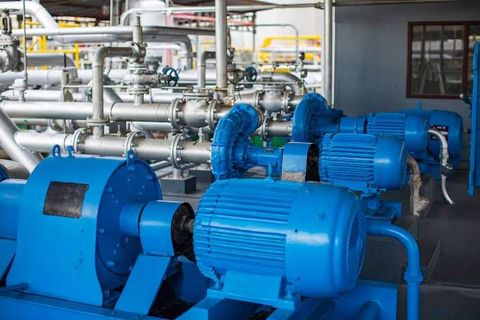
Industrial motors convert electrical energy into motion. They are essential components in manufacturing plants, processing facilities, warehouses and industrial automation systems. From operating conveyor belts to powering pumps and compressors, these motors support many everyday industrial activities.
Industrial electric motors are available in different designs, capacities and operating configurations. Understanding their types, functions and applications helps businesses identify suitable equipment for different industrial requirements. This guide explains common motor technologies, their uses and the factors to consider when selecting an industrial motor.
What Are Industrial Motors?
Industrial motors are machines that convert electrical energy into mechanical energy to operate equipment and machinery. They produce rotational or linear movement, depending on their design and application.
Industrial motors are commonly used in manufacturing, construction, food processing, chemical production, water treatment and material handling. Their operating characteristics vary according to power requirements, speed, torque, voltage and environmental conditions.
Industrial motor manufacturers develop different models to support applications ranging from small automated machines to heavy industrial equipment. Industrial motor suppliers and distributors typically handle different motor categories, configurations and technical specifications.
Importance of Industrial Motors in Manufacturing
Industrial motors support the movement and operation of machinery across many industries. Their importance comes from their ability to provide controlled mechanical power for continuous or intermittent operations.
Supporting Production Activities
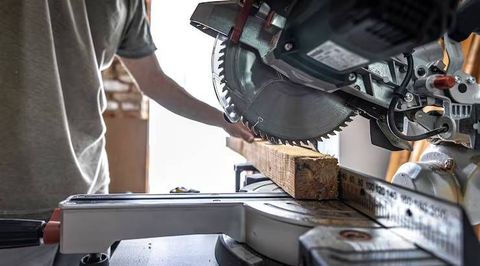
Motors operate machines used in cutting, mixing, packaging, grinding and material processing. They help manufacturing facilities maintain the movement required for different production stages.
Operating Industrial Equipment
Pumps, fans, compressors, conveyors and machine tools depend on motors for mechanical operation. The motor must match the equipment's required speed, torque and power.
Supporting Automation
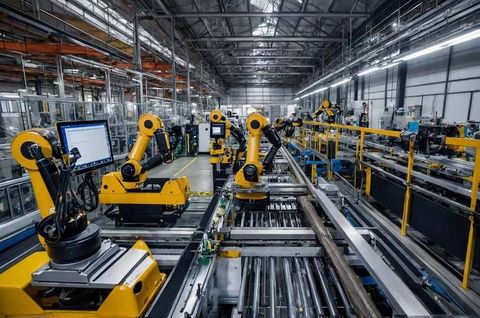
Automated production systems use motors to control movement and positioning. Servo motors and other controlled motor systems are commonly found in robotics, packaging equipment and precision manufacturing.
Managing Energy Consumption
Motor efficiency influences the electrical energy required for operation. High-efficiency industrial motors are designed to reduce energy losses under specified operating conditions, although actual performance depends on installation and usage.
Types of Industrial Motors
Industrial motors are available in several categories. Their construction, power supply and control methods determine where they are most suitable.
AC Industrial Motors
AC motors operate using alternating current and are widely used in industrial applications. They are commonly found in pumps, fans, compressors and conveyor systems.
Three-phase industrial motors are frequently used in manufacturing facilities because many industrial electrical systems provide three-phase power. AC industrial motor manufacturers produce different models for standard and specialized applications.
DC Industrial Motors
DC motors operate using direct current. They provide controllable speed characteristics and are used in selected machinery, transportation systems and specialized industrial applications.
DC industrial motor suppliers may provide different motor designs depending on voltage, torque and operating requirements. Their use depends on the electrical system and control arrangement available at the facility.
Induction Motors
Induction motors are a common type of AC motor. They operate through electromagnetic induction and are widely used in industrial machinery.
These motors are found in pumps, blowers, conveyors, compressors and production equipment. Industrial induction motor suppliers generally offer single-phase and three-phase configurations for different applications.
Servo Motors
Servo motors are designed for controlled movement, positioning and speed regulation. They are frequently used in robotics, CNC machines, automated packaging systems and precision manufacturing equipment.
Industrial servo motor manufacturers develop systems that can work with compatible controllers and feedback devices. Their suitability depends on the required movement accuracy, torque and response characteristics.
Gear Motors
Gear motors combine an electric motor with a gearbox. The gearbox changes the output speed and torque to match the requirements of connected machinery.
Industrial gear motor manufacturers produce different gear arrangements for conveyors, mixers, material-handling systems and processing machines. Selection depends on the required output speed, load and installation arrangement.
Brake Motors
Brake motors combine an electric motor with a braking mechanism. They are used in applications where controlled stopping or holding is required.
Industrial brake motor suppliers provide configurations for lifting equipment, cranes, hoists and selected material-handling systems. The braking capacity must match the application's operating and safety requirements.
Common Applications of Industrial Motors
Industrial motors are used across different sectors because many machines require mechanical movement.
| Industry | Common Motor Applications |
|---|---|
| Manufacturing | Machine tools, conveyors and production lines |
| Food Processing | Mixers, packaging machines and processing equipment |
| Water Treatment | Pumps, filtration systems and blowers |
| Construction | Concrete mixers, compressors and lifting equipment |
| Mining | Crushers, conveyors and ventilation systems |
| Agriculture | Irrigation pumps and processing machinery |
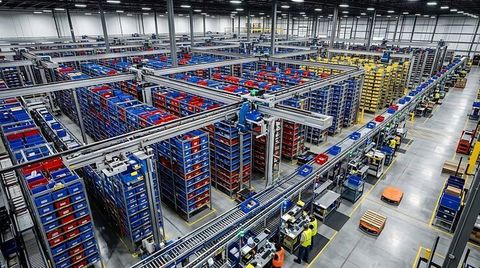
| Warehousing | Material-handling and automated storage systems |
Heavy duty industrial motors are used in applications involving demanding operating conditions or substantial mechanical loads. Their specifications must be evaluated according to the equipment and working environment.
Factors to Consider When Selecting Industrial Motors
Selecting an industrial motor requires understanding the machine's operating requirements. A motor that matches the application's electrical and mechanical conditions can support appropriate equipment operation.
Power and Load Requirements
Motor power should correspond to the load that the connected machine needs to operate. Undersized motors may struggle under demanding conditions, while an unsuitable oversized motor may affect system efficiency.
Speed and Torque
Speed describes how quickly the motor rotates, while torque represents its turning force. Applications such as conveyors, pumps and lifting equipment may require different combinations of these characteristics.
Power Supply
Check the available voltage, frequency and phase configuration. Three-phase industrial motors are appropriate for compatible three-phase electrical systems, while other applications may require different configurations.
Operating Environment
Temperature, humidity, dust, moisture and chemical exposure can influence motor selection. The enclosure and protection rating should match the installation environment.
Efficiency and Maintenance
Motor efficiency, maintenance requirements and expected operating hours are important considerations. Comparing technical specifications can help identify equipment suitable for the intended application.
Industrial Motor Manufacturers and Procurement Considerations
Industrial motor manufacturers produce equipment for different power ranges, industries and operating conditions. Industrial motor distributors and dealers may handle multiple brands and motor categories, depending on their distribution arrangements.
When evaluating industrial motor procurement, consider the following points:
Review motor specifications, including power, voltage, speed and torque.
Confirm compatibility with the existing machinery and electrical system.
Examine applicable safety and efficiency documentation.
Check installation dimensions and mounting arrangements.
Understand maintenance requirements and availability of replacement components.
Compare technical documentation from industrial motor suppliers in India or other relevant markets.
Custom industrial motor manufacturers may also develop motors for applications with specific dimensions, performance characteristics or environmental requirements.
Industrial Motor Maintenance and Replacement
Regular inspection helps identify problems that may affect motor performance. Maintenance practices should follow manufacturer instructions and the facility's maintenance procedures.
Common activities include checking electrical connections, monitoring temperature, inspecting bearings, cleaning ventilation openings and observing unusual noise or vibration.
Industrial motor replacement may become necessary when a motor is damaged, outdated or unsuitable for changed operating requirements. Before replacement, technicians should compare the original specifications with the requirements of the connected equipment.
Frequently Asked Questions
What are the main types of industrial motors?
Common types include AC motors, DC motors, induction motors, servo motors, gear motors and brake motors.
What are three-phase industrial motors used for?
They are commonly used to operate pumps, compressors, conveyors, fans and manufacturing machinery designed for three-phase electrical systems.
What is the difference between AC and DC industrial motors?
AC motors operate using alternating current, while DC motors use direct current. Their control characteristics and applications vary according to their design.
What should be checked before industrial motor replacement?
Check power, voltage, speed, torque, mounting dimensions, operating environment and compatibility with the connected machinery.
How do high-efficiency industrial motors help?
They are designed to reduce electrical energy losses under specified conditions. Actual energy performance depends on motor selection, loading and operating practices.
Conclusion
Industrial motors provide mechanical power for a wide range of manufacturing and industrial activities. AC, DC, induction, servo, gear and brake motors each have different operating characteristics and applications.
Understanding motor types, power requirements, efficiency, torque and environmental conditions helps identify suitable equipment. Proper installation, inspection and maintenance also contribute to reliable operation across industrial facilities.

Related Post...