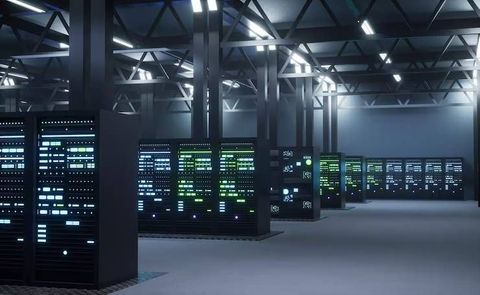
Server Rentals Guide for Business and IT Infrastructure
Server rentals provide access to computing hardware or virtual server environments for a defined period without requiring an organization to purchase and maintain all the underlying infrastructure. Businesses, developers and IT teams use server rentals to host applications, store data, manage websites and run computing workloads.
Options include dedicated server rentals, cloud server rental, virtual server rentals and physical server rental arrangements. The appropriate choice depends on computing requirements, technical knowledge, expected workloads and infrastructure needs.
Instead of maintaining every server component internally, organizations can use infrastructure hosted by external providers. Rental arrangements may be available for short periods, monthly periods or longer agreements.
Importance of Server Rentals
Server infrastructure supports many digital activities, from website operations to business applications and data processing. Renting servers can help organizations access computing resources without managing every aspect of hardware ownership.
Flexible Infrastructure Requirements
Computing needs can change as an organization grows or begins new projects. Server rentals allow businesses to select infrastructure according to current workloads and adjust arrangements when requirements change.
Access to Specialized Hardware
Some applications require particular processors, memory configurations, storage systems or graphics processing units. GPU server rental and high performance server rental options can support workloads that require substantial computing capacity.
Reduced Hardware Management Responsibilities
Organizations that use external infrastructure may not need to manage physical server installation, hardware replacement and data centre facilities themselves. The exact responsibilities depend on the rental agreement and management arrangement.
Support for Different Applications
Servers are used for websites, databases, business software, development environments, file storage and other digital operations. Rental infrastructure can support different applications according to its technical configuration.
Types of Server Rentals
Server rental options differ in how computing resources are allocated, managed and accessed. Understanding these categories helps organizations compare infrastructure arrangements.
Dedicated Server Rentals
Dedicated server rentals provide access to a physical server allocated to one customer. The customer generally receives dedicated computing resources, including processor capacity, memory and storage.
This arrangement is commonly used for websites with demanding workloads, business applications, databases and systems that require greater control over server configurations.
Cloud Server Rental
Cloud server rental provides computing resources through a cloud infrastructure environment. Resources can often be configured and adjusted through a management interface, depending on the provider's platform.
Cloud servers are used for application hosting, data processing, testing environments and workloads with changing resource requirements.
Virtual Server Rentals
Virtual server rentals use virtualization technology to divide physical computing resources into separate virtual environments. Each virtual server operates with its own allocated resources and operating system configuration.
They are commonly used for development, website hosting, smaller business applications and testing projects.
Physical Server Rental
Physical server rental provides access to an actual hardware machine rather than a virtual instance. It may be suitable for applications requiring specific hardware configurations, dedicated resources or specialized infrastructure.
The customer should review hardware specifications, access arrangements and maintenance responsibilities before selecting this option.
Bare Metal Server Rental
Bare metal server rental provides direct access to physical server hardware without a conventional virtualization layer between the operating system and the hardware. This arrangement can support workloads requiring dedicated resources and greater configuration control.
It is used in applications such as data processing, virtualization platforms and demanding enterprise workloads.
GPU Server Rental
GPU server rental provides access to servers equipped with graphics processing units. GPUs are designed to handle parallel computing tasks and are used in areas such as machine learning, scientific computing, image processing and video workloads.
The number and type of GPUs, memory capacity and software compatibility are important selection considerations.
Common Server Rental Configurations
Server environments can also be classified according to operating systems, management responsibilities and intended applications.
| Server Configuration | Main Characteristics | Common Applications |
|---|---|---|
| Windows server rental | Uses a Windows Server operating environment | Business applications and Microsoft-based systems |
| Linux server rental | Uses a Linux-based operating system | Web hosting, development and databases |
| Managed server rental | Includes specified technical management tasks | Organizations with limited server administration resources |
| Unmanaged server rental | Gives customers greater responsibility for administration | Experienced IT teams and developers |
| Enterprise server rental | Designed around organizational computing requirements | Business applications and enterprise workloads |
| Web hosting server rental | Supports website and web application hosting | Business websites and online platforms |
| Private server rental | Provides a private server environment | Applications requiring controlled access |
| AI server rental | Supports computing workloads associated with artificial intelligence | Model development and data processing |
The features included in each configuration vary between providers and agreements. Organizations should review the exact specifications rather than relying only on product labels.
Applications of Server Rentals
Server rentals support a wide range of technical and business activities. Their applications depend on available resources, operating systems and network capabilities.
Website and Application Hosting
Businesses use servers to host websites, content management systems, online applications and web platforms. Infrastructure requirements depend on website traffic, software configuration and storage needs.
Business Software and Databases
Organizations may use rented servers to operate accounting platforms, customer management systems, internal applications and databases. These environments need suitable processing power, memory, storage and access controls.
Software Development and Testing
Developers use virtual server rentals and dedicated environments to test applications, run development tools and evaluate software configurations. Separate environments can help teams test changes without affecting production systems.
Artificial Intelligence and Data Processing
AI server rental and GPU-based infrastructure can support machine learning experiments, data analysis and computational workloads. Hardware selection depends on processing requirements, GPU memory and software compatibility.
Backup and Data Storage
Servers can support data storage, backup operations and file management. Organizations should consider storage capacity, backup frequency, recovery procedures and data protection requirements when planning these systems.
How to Choose Server Rentals
Selecting suitable infrastructure requires an understanding of both technical and operational needs. The following factors can help guide the evaluation process.
Identify Computing Requirements
Determine the applications and workloads the server will support. Consider processor capacity, RAM, storage type, network performance and expected user activity.
Select the Appropriate Server Type
A virtual server may be suitable for development or smaller applications, while dedicated or bare metal infrastructure may be more appropriate for workloads requiring dedicated physical resources.
Review Operating System Compatibility
Choose Windows or Linux based on application requirements, software dependencies and internal technical knowledge. Confirm that the required versions and configurations are supported.
Understand Management Responsibilities
Managed server rental arrangements may include tasks such as monitoring, updates and technical assistance, depending on the agreement. With unmanaged arrangements, customers generally handle more administrative responsibilities.
Evaluate Security and Backup Features
Review access controls, firewall options, backup arrangements, encryption capabilities and recovery procedures. Security responsibilities should be clearly understood by both the customer and provider.
Consider Rental Duration and Scalability
Short term server rental may support temporary projects, while monthly server rental arrangements can suit ongoing requirements. Check how easily resources can be upgraded, reduced or discontinued.
Frequently Asked Questions
What are server rentals used for?
Server rentals are used for website hosting, business applications, databases, software development, data storage and computing workloads that require server infrastructure.
What is the difference between dedicated and virtual server rentals?
A dedicated server provides access to an allocated physical machine, while a virtual server operates as an isolated environment using resources from a physical host.
What is bare metal server rental?
Bare metal server rental provides direct access to physical server hardware. It is commonly considered for workloads that require dedicated resources and greater control over hardware configuration.
What is the difference between managed and unmanaged server rental?
Managed arrangements include specified technical administration tasks, while unmanaged arrangements place more responsibility for configuration, maintenance and monitoring on the customer.
When is GPU server rental useful?
GPU server rental can support workloads involving machine learning, scientific computing, image processing and other tasks that benefit from parallel processing.
Conclusion
Server rentals provide different ways to access computing infrastructure for business and technical applications. Dedicated, cloud, virtual, physical, bare metal and GPU server options serve different workload requirements.
Before selecting an arrangement, organizations should evaluate performance needs, operating system compatibility, security, management responsibilities and rental duration. Understanding these factors helps identify a server environment that matches the intended application and operational requirements.
Disclaimer: The information provided in this article is for informational purposes only. We do not make any claims or guarantees regarding the accuracy, reliability, or completeness of the information presented. The content is not intended as professional advice and should not be relied upon as such. Readers are encouraged to conduct their own research and consult with appropriate professionals before making any decisions based on the information provided in this article.

Related Post...