Industrial IoT Automation Solutions and Systems Guide
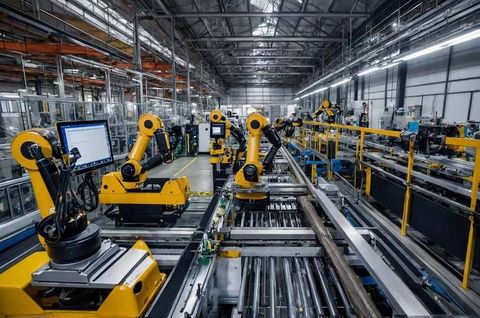
IoT automation systems connect machines, devices and processes. They use internet-connected sensors, software and control technologies to collect information, monitor operations and support automated actions. These systems are increasingly used in manufacturing plants, commercial buildings, warehouses and other industrial environments.
Industrial IoT automation solutions allow equipment to exchange operational data through connected networks. This information can help organizations observe machine conditions, identify unusual activity and manage selected processes remotely. IoT automation systems combine physical equipment with digital platforms to create connected operating environments.
Importance of IoT Automation Systems
Traditional industrial operations often depend on separate machines and manual monitoring. Connected automation systems provide a way to bring information from different devices into a shared environment. This can help organizations understand equipment performance and coordinate certain activities.
Better Operational Visibility
IoT monitoring systems collect information from sensors and connected machines. Operators can view measurements such as temperature, pressure, vibration and energy consumption through monitoring dashboards. This information helps them understand current operating conditions.
Support for Equipment Maintenance
Machine monitoring systems can track operating conditions and identify changes that may require inspection. For example, unusual vibration or rising temperature may indicate a developing equipment issue. Maintenance teams can use these observations when planning inspections.
Remote Monitoring and Control
IoT remote monitoring solutions allow authorized users to access selected equipment information from different locations. Depending on system design, users may also be able to adjust specific settings through secure control interfaces.
Improved Process Coordination
Connected devices can exchange information between different stages of an industrial process. This may help coordinate production activities, equipment status updates and selected operational responses.
Main Components of IoT Automation Systems
An IoT automation system consists of several connected components. Each component performs a particular role in collecting, transferring, processing or using operational information.
Sensors and Connected Devices
IoT sensors measure physical conditions such as temperature, humidity, pressure, motion, vibration and flow. The collected measurements provide information about machines, materials and surrounding environments.
IoT Gateways
IoT gateways connect sensors, machines and local networks with broader communication systems. They may collect information from devices using different communication protocols and transfer it to central platforms.
Controllers and Control Systems
IoT control systems manage equipment operations based on configured instructions, measurements and operating conditions. Programmable logic controllers and other industrial controllers are commonly used to control machinery and production processes.
Communication Networks
Communication networks transfer information between connected devices, gateways and software platforms. Depending on application requirements, systems may use Ethernet, Wi-Fi, cellular networks or industrial communication protocols.
Software and Management Platforms
IoT automation software collects and organizes device information. Industrial IoT platforms may provide dashboards, alerts, reporting tools, device configuration and data analysis features.
Types of IoT Automation Systems
Different automation systems are designed for different operational requirements. Their capabilities depend on the equipment, communication technology and software used.
| System Type | Main Function | Common Application |
|---|---|---|
| Machine monitoring systems | Track equipment conditions | Manufacturing |
| Process automation systems | Monitor and control processes | Chemical and food processing |
| Energy monitoring systems | Measure energy consumption | Industrial facilities |
| Building automation systems | Manage building equipment | Offices and hospitals |
| Asset tracking systems | Monitor asset location and status | Warehouses and logistics |
| Environmental monitoring systems | Measure environmental conditions | Agriculture and industrial facilities |
Machine Automation Systems
IoT-based industrial automation connects machinery with sensors, controllers and monitoring platforms. These systems help operators observe machine conditions and review production-related information.
Process Automation Systems
IoT-based process automation supports the monitoring and control of activities involving materials, temperature, pressure, flow and other operating variables. It is used in industries where processes require continuous observation.
Facility and Building Automation
Building automation systems connect equipment such as lighting, ventilation, heating and cooling systems. Connected controls can help facility teams monitor equipment operation and manage selected settings.
Industrial Applications of IoT Automation
IoT automation equipment is used across several industries. The specific application depends on the type of operation, equipment and information required.
Manufacturing
Manufacturing facilities use IoT machine monitoring systems to observe production equipment, track operating conditions and collect machine data. Connected systems may also support production reporting and maintenance planning.
Energy and Utilities
Energy facilities can use connected sensors to monitor electrical equipment, power consumption and operating conditions. IoT monitoring systems may help identify unusual readings and support equipment inspections.
Warehousing and Logistics
Connected devices can help track inventory movement, monitor storage conditions and collect information about equipment used in warehouses. These applications support visibility across material-handling activities.
Agriculture
IoT sensor automation systems can measure soil moisture, temperature and environmental conditions. The information may support irrigation management and monitoring of agricultural environments.
Healthcare Facilities
Hospitals and other healthcare facilities can use connected systems to monitor building conditions, equipment status and selected environmental measurements. Applications must consider equipment requirements, data protection and operational safety.
Benefits and Challenges of IoT Automation
IoT automation systems provide several potential operational advantages, but their implementation also involves technical and organizational challenges.
Potential Benefits
Real-time information: Connected sensors can provide updated information about equipment and operating conditions.
Maintenance planning: Equipment measurements may help teams identify conditions that require inspection.
Remote access: Authorized users can review selected system information from different locations.
Data-based decisions: Collected operational information can support planning and performance reviews.
Process visibility: Connected platforms can bring information from different machines into a shared interface.
Common Challenges
Cybersecurity: Connected devices and networks require appropriate security controls and regular updates.
Integration: Older machinery may use communication technologies that are not directly compatible with modern platforms.
Data management: Large amounts of device information require suitable storage, organization and analysis.
Connectivity: Unreliable network connections can interrupt communication between devices and platforms.
Maintenance and training: Staff need suitable technical knowledge to operate, monitor and maintain connected systems.
How to Choose an IoT Automation System
Selecting an appropriate system requires an understanding of operational needs, technical requirements and long-term management responsibilities.
Identify Operational Requirements
Start by identifying which machines, processes or facilities need monitoring or automation. Define the measurements, control functions and reporting requirements before evaluating available systems.
Check Device Compatibility
Review whether the proposed system supports existing sensors, controllers, machines and communication protocols. Compatibility is particularly important when connecting older industrial equipment.
Evaluate Platform Features
IoT device management platforms may include device registration, configuration, monitoring, software updates and access management. Compare available features with the organization's actual requirements.
Review Security Features
Examine user authentication, access permissions, data protection, network security and update procedures. Industrial IoT systems should follow appropriate cybersecurity practices throughout their operation.
Consider Integration and Support
Check whether the system can connect with existing enterprise software, production systems and reporting tools. Also review documentation, maintenance arrangements and the technical support available from the provider.
Frequently Asked Questions
What is an IoT automation system?
An IoT automation system connects sensors, machines, controllers and software to collect information, monitor equipment and support automated operations.
What are industrial IoT platforms?
Industrial IoT platforms are software environments used to connect devices, manage information, monitor equipment and support industrial data analysis.
What is the role of IoT gateways?
IoT gateways transfer information between connected devices and larger networks or platforms. They can also support communication between devices using different protocols.
What industries use IoT-based industrial automation?
Manufacturing, energy, logistics, agriculture, utilities and facility management are among the industries that use IoT-based industrial automation.
What do IoT system integrators do?
IoT system integrators help connect devices, networks, controllers and software platforms into a working system. Their responsibilities may include system design, configuration, testing and integration.
Conclusion
IoT automation systems connect physical equipment with digital monitoring and control technologies. Their components include sensors, gateways, communication networks, controllers and software platforms. These technologies support applications such as machine monitoring, process automation, facility management and asset tracking.
Understanding system requirements, device compatibility, cybersecurity and maintenance needs is important when evaluating industrial IoT automation solutions. Careful planning helps organizations develop connected systems that match their operational and technical requirements.

Related Post...
Electronic Component Counters Explained for SMT Inventory Control
Updated: November 26, 2026
Read More