Heavy Mining Excavators Explained Types, Uses & Applications
Heavy mining excavators move enormous volumes of material. These machines are essential to large-scale mining operations because they help remove overburden, extract minerals and load materials for transportation. Heavy mining excavators are designed to operate in demanding environments where large quantities of earth and rock must be moved efficiently.
Large mining excavators are available in different configurations, including hydraulic, electric and ultra-large models. Their size, digging capacity and operating systems depend on the mining application. Understanding their features and functions helps explain how these machines support modern surface mining operations.
Understanding Heavy Mining Excavators
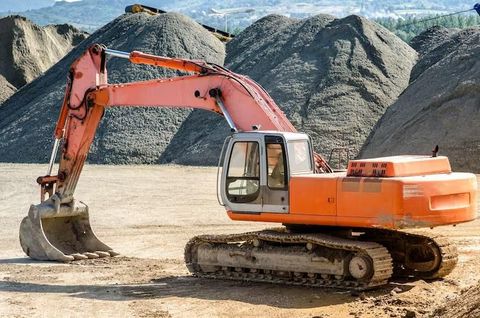
Heavy mining excavators are large machines used to dig, lift and move soil, rock and mineral-bearing materials. They are commonly used in open-pit mines, where minerals are extracted from deposits near the surface.
Unlike smaller construction excavators, heavy-duty mining excavators are designed for demanding work cycles and substantial material-handling requirements. Their reinforced structures, powerful digging systems and large buckets help them handle heavy loads.
Mining excavator manufacturers develop different machine configurations to meet the requirements of coal, iron ore, copper, gold and other mining operations. Some machines use hydraulic systems, while others use electric drive technology.
Importance in Large-Scale Mining Operations
Large-scale mining involves several connected activities, including removing surface layers, extracting minerals, loading trucks and preparing materials for processing. Excavators support these activities by moving large quantities of material between different stages.
Their importance can be understood through several applications:
Overburden removal: Excavators remove soil and rock covering mineral deposits.
Mineral extraction: They dig and collect materials from exposed mining areas.
Truck loading: Large buckets transfer excavated material into haul trucks.
Site preparation: Machines help clear and reshape areas for mining activities.
Material handling: Excavators move loose rock, soil and other materials within the mining site.
High-capacity mining excavators can support continuous material movement when coordinated with suitable haul trucks and other mining machinery.
Types of Mining Excavators
Mining operations use different excavator designs depending on material conditions, site layout and production requirements.
Hydraulic Mining Excavators
Hydraulic mining excavators use hydraulic pressure to operate the boom, arm and bucket. Hydraulic systems allow controlled movements and provide the digging force needed for different excavation activities.
These machines are available in several sizes, from medium-duty models to large hydraulic excavators used in demanding mining environments. They are commonly used for digging, loading and general material handling.
Electric Mining Excavators
Electric mining excavators use electric drive systems instead of relying entirely on conventional mechanical power transmission. Some large mining shovels use electric motors to operate major machine functions.
Their suitability depends on site infrastructure, operating conditions and electrical supply arrangements. Electric systems are particularly relevant in mining locations where suitable power infrastructure is available.
Ultra-Large Mining Excavators
Ultra-large mining excavators are designed for operations involving substantial excavation and loading requirements. They generally have large buckets, heavy structures and powerful operating systems.
These machines are often used in major open-pit mining projects. Their capacity can help reduce the number of loading cycles required for a given quantity of material, depending on bucket size and operating conditions.
Mining Shovel Excavators
Mining shovel excavators are designed for large-scale digging and loading activities. They may use different operating arrangements, including hydraulic or electric systems.
Their primary role is to excavate material and load it into mining trucks. Mining shovel manufacturers develop equipment for specific material conditions, production requirements and mine layouts.
How Excavators Power Mining Operations
Heavy mining excavators contribute to mining operations through a coordinated process involving digging, loading and material movement.
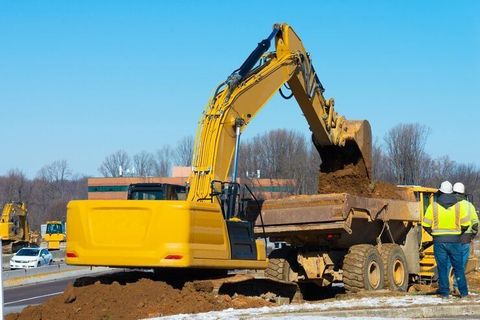
First, the excavator positions itself near the material to be removed. Its boom, arm or shovel mechanism moves the bucket into the ground or rock pile. The bucket collects material and lifts it before rotating or moving toward a haul truck.
The excavator then releases the material into the truck. This process continues through repeated loading cycles. Loaded trucks transport the material to designated areas, such as processing facilities, stockpiles or waste locations.
Operational coordination is important. Excavator performance depends not only on machine capacity but also on truck availability, material conditions, operator skills and site organization.
Main Components of Heavy Mining Excavators
Mining excavators contain several major components that work together to perform excavation and loading activities.
| Component | Main Function |
|---|---|
| Boom | Supports the digging and lifting mechanism |
| Arm or stick | Connects the boom to the bucket |
| Bucket or shovel | Collects and carries excavated material |
| Hydraulic system | Powers machine movements in hydraulic models |
| Electric drive system | Supplies power to selected machine functions |
| Undercarriage | Supports movement and machine stability |
| Operator cabin | Provides controls and visibility for the operator |
| Counterweight | Helps balance the machine during operation |
The design and arrangement of these components vary between excavator models and operating systems.
Factors to Consider When Selecting Mining Excavators
Selecting suitable mining excavator equipment requires an understanding of the mining site's operational requirements. Machine capacity alone does not determine suitability.
Material Type and Ground Conditions
Rock hardness, soil composition and material fragmentation influence excavation requirements. Machines should be matched to the material they are expected to handle.
Bucket Capacity
Bucket capacity affects how much material can be collected during each loading cycle. The bucket should be suitable for the material density and the capacity of the haul trucks.
Operating Environment
Mining sites may have uneven ground, dust, extreme temperatures and limited working space. Equipment design and operating specifications should account for these conditions.
Power System
Hydraulic and electric excavators have different power arrangements and infrastructure requirements. The appropriate system depends on site conditions, operating preferences and available power resources.
Maintenance and Parts Availability
Routine inspections and maintenance are necessary for reliable operation. Mining companies should also consider access to replacement components, technical support and mining excavator parts suppliers.
Mining Excavator Manufacturers and Industry Supply
Mining excavator manufacturers produce machines for different excavation capacities and operating environments. Their equipment may include hydraulic excavators, electric shovels and specialized surface mining excavators.
Mining excavator suppliers and mining machinery suppliers generally support equipment availability, technical specifications and replacement-component requirements. Mining excavator dealers may also provide information about machine configurations, maintenance arrangements and parts.
When evaluating equipment, mining operators commonly review machine specifications, operating requirements, manufacturer documentation and the availability of suitable replacement parts.
Frequently Asked Questions
What are heavy mining excavators used for?
Heavy mining excavators are used for removing overburden, digging mineral-bearing materials, loading haul trucks and handling large quantities of soil and rock.
What is the difference between hydraulic and electric mining excavators?
Hydraulic excavators use pressurized fluid to operate major movements, while electric mining excavators use electric drive systems for selected machine functions. Their suitability depends on operational requirements and site infrastructure.
What are ultra-large mining excavators?
Ultra-large mining excavators are high-capacity machines designed for major mining operations. They are used where substantial excavation and material-loading requirements exist.
Who manufactures large mining excavators?
Several industrial equipment companies manufacture large mining excavators, hydraulic excavators and mining shovels. Equipment specifications and machine configurations differ between manufacturers.
What are mining excavator parts suppliers responsible for?
Mining excavator parts suppliers provide components used for equipment maintenance and repair. These may include bucket components, hydraulic parts, filters, undercarriage components and other replacement items.
Conclusion
Heavy mining excavators play an important role in large-scale mining by supporting excavation, overburden removal and material loading. Hydraulic, electric and ultra-large machines serve different operational requirements across surface mining projects.
Their performance depends on suitable machine selection, material conditions, haul truck coordination and regular maintenance. Understanding their types, components and applications provides a clearer picture of how modern mining operations manage large-scale material movement.

Related Post...