Factory Automation Systems Explained Types, Equipment & Uses
Factory automation is changing modern manufacturing operations. It involves using machines, control systems, software and industrial technologies to perform production activities with reduced manual intervention. Factory automation systems help coordinate manufacturing processes, monitor equipment and manage repetitive tasks across different industrial environments.
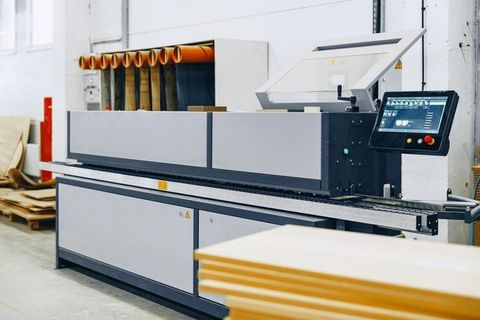
Modern factories use factory automation equipment such as programmable logic controllers, industrial robots, sensors and automated production lines. These technologies form part of broader industrial automation solutions designed around the requirements of individual manufacturing facilities.
What Is Factory Automation?
Factory automation refers to the use of technology to operate, monitor and control manufacturing activities. It combines mechanical equipment, electrical systems, computer software and communication technologies to manage production processes.
An automated manufacturing system may perform activities such as material handling, assembly, packaging, inspection and product movement. Some factories automate only selected operations, while others connect multiple production stages through integrated control systems.
Factory automation manufacturers develop equipment and technologies for different industrial applications. Factory automation companies and system integrators may also combine machines, controllers and software to create systems suited to specific production requirements.
Importance of Factory Automation in Manufacturing
Factory automation plays an important role in organizing production activities. Its purpose is not simply to replace manual tasks but also to coordinate machines, manage information and support consistent manufacturing processes.
Improving Production Consistency
Automated machines can perform programmed operations repeatedly under defined conditions. This can help maintain consistent production methods, particularly in processes involving repetitive movements, measurements or assembly tasks.
Supporting Production Monitoring
Industrial control systems collect information from machines and production equipment. Operators can use this information to observe operating conditions, identify interruptions and understand how different production stages are performing.
Managing Repetitive Activities
Robotic automation systems and specialized machines can handle repetitive activities such as welding, material movement, sorting and packaging. This allows workers to focus on supervision, setup, maintenance and other tasks.
Coordinating Manufacturing Processes
Automated production line systems connect different manufacturing stages. Equipment can communicate through control networks so that material movement, machine operations and production sequences follow an organized process.
Types of Factory Automation Systems
Factory automation can be classified according to how equipment operates and how production activities are controlled.
Fixed Automation
Fixed automation uses specialized equipment designed for a particular production sequence. It is commonly associated with high-volume manufacturing where the same operations are repeated over extended periods.
Examples include dedicated assembly lines, automated filling equipment and specialized packaging systems. Changing the production process may require significant equipment or setup modifications.
Programmable Automation
Programmable automation uses machines and control systems that can be reconfigured for different production tasks. Operators can change programs, settings or operating sequences according to manufacturing requirements.
This approach is used in applications such as batch production, metalworking and machinery manufacturing. Programmable systems can support different product variations without replacing the entire production arrangement.
Flexible Automation
Flexible automation allows production equipment to handle different products or tasks with limited changeover requirements. It often combines programmable machines, robotics and coordinated control software.
Manufacturers may use flexible automation when product designs, production quantities or manufacturing sequences change regularly.
Integrated Automation
Integrated automation connects machines, production systems and information platforms across a manufacturing facility. It allows different production activities to operate as part of a coordinated system.
Smart factory automation commonly uses connected equipment, industrial networks and data systems to support monitoring and production management.
Common Factory Automation Equipment
Factory automation equipment includes the machines and components used to control, operate and monitor industrial processes.
| Equipment | Main Function |
|---|---|
| Programmable Logic Controller (PLC) | Controls machines and programmed operations |
| Industrial Robots | Perform automated movement and production tasks |
| Sensors | Detect changes in operating conditions |
| Human-Machine Interface (HMI) | Allows operators to interact with machines |
| Variable Frequency Drives | Control motor speed and operation |
| Conveyor Systems | Move materials between production stages |
| Machine Vision Systems | Inspect products and identify visible defects |
| Industrial Controllers | Coordinate equipment and process operations |
PLC Automation Systems
Programmable logic controllers are industrial computers used to control machines and production equipment. PLC automation systems receive signals from sensors and other devices, process programmed instructions and send commands to connected equipment.
They are commonly used in assembly lines, packaging machines, material handling systems and industrial processing applications.
SCADA Automation Systems
Supervisory Control and Data Acquisition systems help operators monitor and supervise industrial processes. SCADA automation systems collect information from equipment and display it through software interfaces.
They are used in manufacturing facilities where operators need an overview of equipment conditions, process measurements and operating events.
Robotic Automation Systems
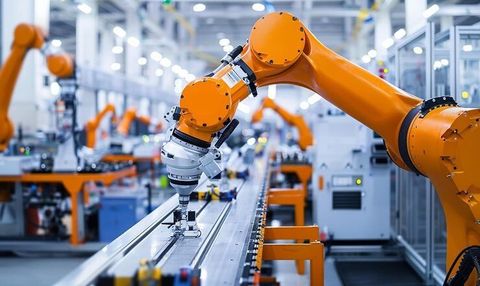
Industrial robots perform programmed tasks using mechanical arms and specialized tools. Applications include welding, painting, assembly, palletizing and material handling.
Robotic automation systems may operate independently or as part of a connected production line. Their configuration depends on the required movement, payload, working area and production task.
Applications of Manufacturing Process Automation
Manufacturing process automation is used across many industries. The type of automation depends on the products being manufactured, production volume and technical requirements.
Common applications include:
Automotive manufacturing: Robotic systems support welding, painting, assembly and material handling.
Electronics production: Automated equipment assists with component placement, soldering and product inspection.
Food and beverage processing: Machines support filling, sealing, sorting, labeling and packaging operations.
Pharmaceutical manufacturing: Automated systems help control selected production, packaging and monitoring processes.
Metal fabrication: CNC machines, robotic welding systems and automated material handling support manufacturing activities.
Plastic manufacturing: Automation is used in injection molding, product handling and inspection processes.
Automated manufacturing systems can combine several technologies to coordinate these activities within a single facility.
How to Choose Factory Automation Solutions
Selecting factory automation solutions requires an understanding of existing production processes and future manufacturing requirements. The appropriate system depends on operational needs rather than technology alone.
Identify Production Requirements
Start by reviewing the activities that require automation. These may include assembly, inspection, packaging, material movement or process monitoring. Identify whether the requirement involves one machine or an entire production line.
Evaluate Equipment Compatibility
Check whether new equipment can work with existing machines, electrical systems and industrial networks. Compatibility is important when connecting different controllers, sensors and production technologies.
Consider Scalability
Manufacturing requirements may change as product designs and production volumes develop. A suitable automation arrangement should allow practical modifications or expansion where required.
Review Safety Requirements
Industrial machines and robotic systems require appropriate safety measures. These may include protective enclosures, emergency stops, safety sensors and controlled access areas.
Assess Maintenance and Training
Automation systems require maintenance, troubleshooting and trained operators. Consider equipment documentation, spare parts availability, maintenance schedules and the technical skills needed for daily operation.
Smart Factory Automation and Emerging Developments
Smart factory automation connects machines, control systems and digital technologies to improve production visibility and coordination.
Industrial Internet of Things (IIoT) devices can collect information from connected equipment. This data may help production teams monitor operating conditions and identify maintenance requirements.
Artificial intelligence and machine learning are also being explored in manufacturing applications, including visual inspection, process analysis and predictive maintenance. Their usefulness depends on data quality, system integration and the specific production environment.
Digital twins provide virtual representations of physical equipment or processes. Manufacturers can use these models to study operating conditions and evaluate possible process changes.
These developments are part of the wider movement toward connected and data-driven manufacturing environments.
Frequently Asked Questions About Factory Automation
What are factory automation systems?
Factory automation systems use machines, controllers, software and sensors to operate and monitor manufacturing processes with reduced manual intervention.
What equipment is used in factory automation?
Common equipment includes PLCs, industrial robots, sensors, conveyor systems, machine vision devices, motor drives and human-machine interfaces.
What is the difference between PLC and SCADA systems?
A PLC directly controls machines and equipment through programmed instructions. SCADA software provides supervisory monitoring and data collection across industrial processes.
What do factory automation system integrators do?
Factory automation system integrators combine equipment, control systems, software and communication technologies to create coordinated automation arrangements for manufacturing facilities.
Which industries use industrial automation solutions?
Automotive, electronics, food processing, pharmaceuticals, metal fabrication and plastics manufacturing are among the industries that use industrial automation solutions.
Conclusion
Factory automation combines machines, control technologies and software to manage modern manufacturing activities. Fixed, programmable, flexible and integrated automation systems support different production requirements.
Understanding factory automation equipment, PLC and SCADA systems, industrial robotics and manufacturing applications helps explain how automated production environments operate. Careful equipment selection, safety planning, maintenance and staff training remain important parts of successful factory automation.

Related Post...

Skin Rejuvenation Treatments: Types, Technologies & How to Choose
Updated: November 25, 2026
Read More