Industrial Mechanical Components Types and Selection Guide
Industrial mechanical components are essential parts used in machines, manufacturing equipment and mechanical systems. They help transfer motion, support loads, control movement and connect different machine assemblies. These components are found in factories, production facilities, processing plants and industrial automation systems.
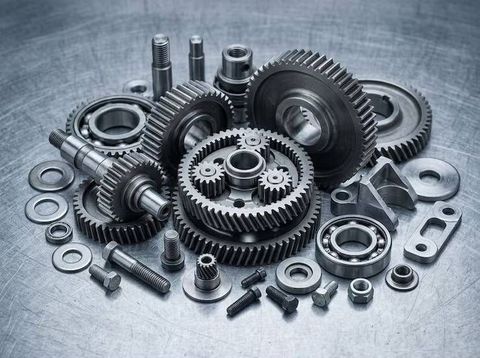
Industrial mechanical components include bearings, gears, shafts, belts, pulleys, couplings, fasteners and other machine elements. Each component performs a specific function, and several parts often work together to operate a complete machine. Understanding their types, functions and applications helps explain how industrial machinery operates and how different mechanical systems are designed.
Importance of Industrial Mechanical Components
Mechanical components play an important role in industrial operations. They support the movement of machinery, transfer mechanical power and maintain connections between different equipment parts.
Supporting Machine Operations
Machines depend on mechanical components to perform basic movements and functions. For example, shafts transfer rotational movement, while bearings support rotating parts and reduce friction between moving surfaces.
Transmitting Power and Motion
Many industrial systems require power to move from one machine part to another. Gears, belts, pulleys and chains help transmit mechanical power according to the design and operating requirements of the equipment.
Maintaining Equipment Stability
Components such as fasteners, brackets, frames and supports help hold machine assemblies together. Properly selected parts contribute to structural stability and alignment during equipment operation.
Supporting Manufacturing Processes
Industrial mechanical components are used in production machinery, conveyor systems, packaging equipment, material-handling systems and processing machines. Their functions help different manufacturing activities operate as intended.
Types of Industrial Mechanical Components
Industrial mechanical components are available in different forms, sizes and materials. Their selection depends on the machine design, operating conditions and mechanical requirements.
Bearings
Bearings support rotating or moving machine elements while helping reduce friction. They are commonly used in electric motors, pumps, compressors, conveyors and industrial machinery.
Common bearing types include:
Ball bearings, used in applications involving rotational movement and different load conditions.
Roller bearings, designed to support radial or axial loads depending on their construction.
Thrust bearings, used to support axial loads.
Plain bearings, which provide sliding contact between moving surfaces.
Gears
Gears transmit rotational motion and mechanical power between machine components. They are used in gearboxes, industrial drives, lifting systems and manufacturing equipment.
Common types include spur gears, helical gears, bevel gears, worm gears and planetary gear systems. Each design provides different motion-transfer characteristics and is selected according to the required speed, torque and arrangement.
Shafts
Shafts are mechanical elements that transmit rotational power between machine parts. They are commonly found in motors, pumps, turbines, gearboxes and industrial drive systems.
Shafts may be solid or hollow, depending on their design and application. Their dimensions, material and surface characteristics are selected according to the loads and operating conditions they must handle.
Couplings
Couplings connect two shafts to transfer rotational power. Some designs also accommodate limited misalignment or help reduce the transmission of vibration between connected components.
Common types include rigid couplings, flexible couplings, gear couplings and jaw couplings. The appropriate type depends on shaft alignment, torque requirements and operating conditions.
Belts and Pulleys
Belts and pulleys are used to transmit mechanical power between rotating shafts. They are frequently found in conveyors, ventilation systems, compressors and manufacturing machinery.
Belt types include V-belts, timing belts and flat belts. Pulleys guide and support the belt while helping transfer motion between connected machine elements.
Chains and Sprockets
Chain drives transfer mechanical power through a linked chain that moves around sprockets. They are used in conveyor systems, industrial machinery and material-handling equipment.
Roller chains are a common type, while other chain designs are selected for particular operating environments and mechanical requirements.
Fasteners
Fasteners join mechanical parts and help maintain equipment assemblies. Common examples include bolts, nuts, screws, washers, pins and studs.
Fastener selection depends on material, dimensions, load requirements, connection type and environmental conditions. Some assemblies require specific tightening procedures to maintain the intended connection.
Common Applications of Mechanical Components
Industrial mechanical components are used across many sectors. Their applications vary according to the type of machinery and the processes performed.
| Industry | Common Components | Typical Applications |
|---|---|---|
| Manufacturing | Bearings, gears, shafts | Production machinery and machine tools |
| Automotive | Gears, shafts, fasteners | Vehicle assembly and mechanical systems |
| Food Processing | Belts, chains, bearings | Conveyors and processing equipment |
| Mining | Couplings, bearings, gears | Material handling and heavy machinery |
| Packaging | Pulleys, belts, gears | Filling, sealing and packaging machines |
| Agriculture | Shafts, chains, bearings | Tractors and agricultural machinery |
| Energy | Bearings, couplings, gears | Turbines, generators and related equipment |
The materials and designs used in these applications depend on operating loads, environmental conditions and equipment specifications.
Materials Used in Industrial Mechanical Components
Material selection influences the strength, durability, weight and operating characteristics of mechanical components. Different materials are used according to the application.
Steel
Steel is widely used for shafts, gears, bearings and fasteners because of its mechanical strength and range of available grades. Certain steel grades can also undergo heat treatment to achieve specific properties.
Stainless Steel
Stainless steel is used in environments where corrosion resistance is important. It is found in selected food-processing equipment, chemical-processing systems and other industrial applications.
Aluminum
Aluminum components are used where lower weight and suitable mechanical properties are required. They are commonly found in machine housings, frames and selected mechanical assemblies.
Cast Iron
Cast iron is used for machine bases, housings and certain structural components. Its properties vary according to the type and composition of the material.
Engineering Plastics
Engineering plastics are used for selected gears, bushings, guides and other components. Depending on the material, they can provide properties such as low weight, electrical insulation and resistance to certain chemicals.
How to Choose Industrial Mechanical Components
Selecting suitable components requires an understanding of the machine's design and operating conditions. The following factors can help guide the selection process.
Identify the Application
First, determine where the component will be used and what function it must perform. A bearing for a high-speed motor may have different requirements from one used in a conveyor system.
Check Load and Operating Conditions
Consider the expected loads, rotational speed, temperature, vibration and operating environment. These conditions influence the component's dimensions, material and design.
Review Dimensions and Compatibility
Components must fit the machine assembly and work with connected parts. Check shaft diameter, mounting dimensions, connection types and other relevant specifications.
Consider Material Requirements
The operating environment may require corrosion resistance, wear resistance, strength or reduced weight. Material selection should match these requirements.
Review Maintenance Needs
Some components require periodic lubrication, inspection, adjustment or replacement. Understanding maintenance requirements helps facilities plan equipment upkeep.
Follow Manufacturer Specifications
Technical datasheets and installation instructions provide important information about component limitations and operating requirements. These details should be reviewed before installation or replacement.
Frequently Asked Questions
What are examples of industrial mechanical components?
Common examples include bearings, gears, shafts, couplings, belts, pulleys, chains, sprockets and fasteners. These parts support movement, power transmission and machine assembly.
What is the function of bearings in industrial machinery?
Bearings support rotating or moving parts and help reduce friction. They are commonly used in motors, pumps, conveyors and other mechanical systems.
Which materials are used for mechanical components?
Common materials include steel, stainless steel, aluminum, cast iron and engineering plastics. The choice depends on the component's function and operating environment.
How are mechanical components selected?
Selection involves reviewing application requirements, load conditions, dimensions, material properties, compatibility and maintenance needs.
Conclusion
Industrial mechanical components form the foundation of many machines and manufacturing systems. Bearings, gears, shafts, couplings, belts and fasteners each perform specific functions that support mechanical movement and equipment operation.
Understanding their types, materials and applications makes it easier to identify the requirements of different industrial systems. Careful component selection, correct installation and regular maintenance also contribute to reliable machinery operation.

Related Post...